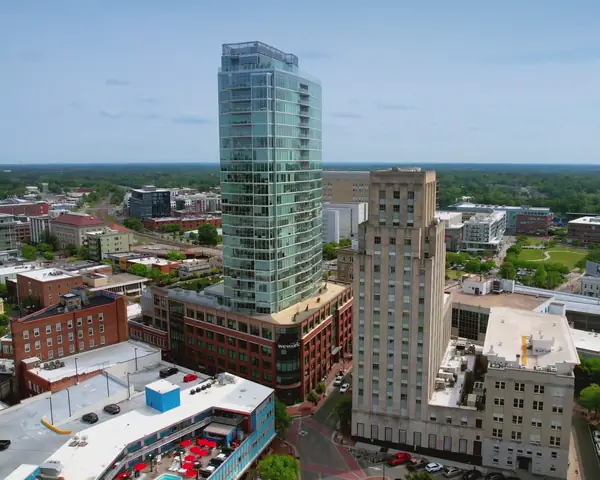
Durham, North Carolina
Mold remediation in Durham, planned on paper before the plastic goes up
Fuzz on the joists under the floor, a musty smell after a thunderstorm, spots spreading across a bathroom ceiling? Say what you are seeing and an independent local mold remediation company can look, find the water and put the job in writing.
- Crawl spaces, attics and living space
- Ask for a written scope
- Free to ask, no obligation
Request a mold inspection
Free, no obligation. An independent local company replies.
Mold help in Durham
Pick the page that matches your question
Each guide is written for Durham houses, from mill-era bungalows near downtown to newer builds toward Research Triangle Park, and each one ends with what to ask before anyone cuts drywall.
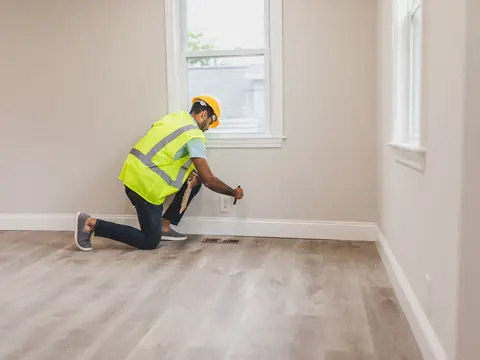
Crawl space mold removal
Mold on joists and subfloor, wet insulation, and the red clay drainage that feeds it.
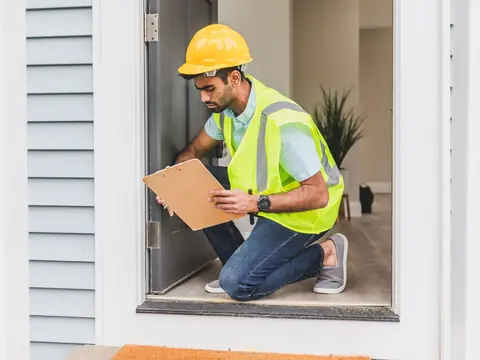
Mold inspection
Finding the water and the growth, and how to vet an inspector in a state with no mold license.

Mold testing
Eight Triangle situations and whether a sample helps in each one.
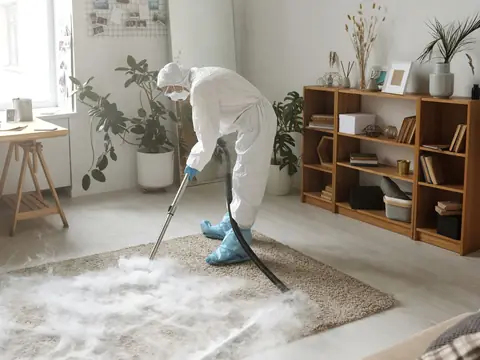
Mold remediation cost
What moves the price of a Durham job and what a written estimate should show.
Water damage and mold
The first 48 hours after a leak or storm, and what a renter can ask of a landlord.


How a proper job runs
Seven stages from the first look to a dry, cleared room
EPA’s remediation guide sets out the order of work. This is how it plays out in a Durham house, whether the mold is under the floor or behind a shower wall.
- 01
Find the water
Moisture readings, a look at gutters, grading, plumbing and the AC drain. EPA’s first rule: fix the water or the mold returns.
- 02
Measure the area
Square footage decides the method. Under about 10 square feet, EPA says most homeowners can clean it themselves.
- 03
Write the scope
Rooms, materials, containment, disposal and clearance, listed before work starts so you can compare quotes.
- 04
Contain the area
Plastic sheeting, sealed vents and a HEPA fan unit holding the space under negative pressure.
- 05
Remove and clean
Moldy drywall and insulation are bagged and taken out; framing and hard surfaces are cleaned and HEPA vacuumed.
- 06
Dry it out
Dehumidifiers and air movement bring wood and air back down before anything is closed or encapsulated.
- 07
Check the result
No visible mold, no musty odor, no damp. A clearance check, ideally by someone who did not do the work.

Inside the work
Sealed off, filtered and dried, not sprayed and painted
EPA says not to paint or caulk over mold and that killing it is not enough: dead mold can still cause reactions in some people, so it has to come out.

Why Durham grows mold
Piedmont humidity, red clay and a lot of crawl spaces
Durham sits in the east-central Piedmont along the Eno River. The climate and the ground under the houses explain most of the calls.
Humid subtropical climate
Durham’s climate is classed humid subtropical: hot, humid summers with highs from 81 to 100 F and common thunderstorms. Damp air reaches every vented crawl space and attic.
Red clay underfoot
Cecil, North Carolina’s state soil, has a red clay subsoil and recovers poorly once compacted. Roof water dumped at the foundation tends to stay where it lands.
Older houses, newer houses
Mill-era homes near the old tobacco and textile districts sit beside fast-growing subdivisions. Durham was the second fastest-growing city in the state, behind Cary.
Heavier storms ahead
Days of extreme rain and inland flooding in the Piedmont are expected to increase, which puts Durham at higher future flood risk.
No state mold license
North Carolina has no mold license that this site could find. Vet a company on insurance, training, a written scope and a separate clearance check.
Renters have a statute
NC Gen. Stat. 42-42 names standing water and flooding from leaks or poor drainage that contribute to mold as a condition a landlord must remedy after notice.
Under the floor
Why so many Durham calls start in the crawl space
Walk down almost any older street in Trinity Park, Duke Park or Old North Durham and you will see the foundation vents: small grilles in the brick just above the soil line. They were meant to dry the space under the house. In a humid subtropical climate they often do the opposite. Warm, wet outdoor air drifts in, meets the cooler wood and ductwork under an air-conditioned floor, and gives up its moisture as condensation. EPA’s own prevention guidance says to dehumidify when outdoor air is warm and humid, not to ventilate.
Add Durham’s red clay. When a gutter outlet drops roof water right at the foundation, or the yard slopes toward the house, water collects in the soil against the wall and the crawl stays damp for days after a storm. The result is the pattern a remediation company in the Triangle sees again and again: white or dark growth along the joists, fiberglass insulation sagging out of the subfloor, a musty smell in the rooms above.
Crawl space remediation is mostly about the order of work. Fix the drainage and the moisture source, remove what cannot be cleaned (wet insulation, debris, ruined vapor barrier), clean and HEPA vacuum the framing, dry the wood down, and only then decide on a new vapor barrier, a dehumidifier or full encapsulation. The crawl space mold removal guide has the drainage checklist.

Containment
What EPA’s guide says a contained job looks like
EPA’s Mold Remediation in Schools and Commercial Buildings applies to houses too, and it scales the work by area. Limited containment is generally recommended for 10 to 100 square feet of mold: a single layer of 6-mil fire-retardant polyethylene around the area, vents and doors sealed. Above 100 square feet, or wherever the rest of the house would likely be contaminated, the guide calls for full containment: double layers of plastic and an airlock for getting in and out.
- The space is held under negative pressure by a HEPA-filtered fan unit exhausted outside
- When the containment works, the plastic billows inward on all surfaces
- Moldy material is double-bagged in 6-mil plastic before it leaves the area
- Workers in half-face or full-face respirators with HEPA cartridges, fit-tested
Ask the company that comes out to describe its containment in the estimate and to show it to you on the first day. If the plastic hangs slack and nothing is pulling air out, the rest of the house is exposed to the dust.

When it is done
How you know the remediation is finished
EPA’s test is plain. The water or moisture problem must be completely fixed. Visible mold, mold-damaged materials and moldy odors should be gone. A revisit shortly after should show no new damp or growth, and people should be able to use the space without complaints.
About testing
EPA says sampling is usually unnecessary when mold is visible, and the CDC does not recommend routine mold testing. Surface sampling can help confirm an area was cleaned properly. See mold testing for when it earns its cost.
Sources: EPA, A Brief Guide to Mold, Moisture and Your Home; CDC, About Mold and Your Health
Many owners like the clearance check done by someone other than the company that did the removal. It is a reasonable ask, and it is worth settling before work starts.

Questions
What Durham homeowners ask about mold
Can I clean the mold myself?
If the moldy area is under about 10 square feet, roughly 3 feet by 3 feet, EPA says that in most cases you can. Scrub hard surfaces with detergent and water and dry them; wear gloves, goggles and an N-95. Larger areas, a lot of water damage, sewage or mold in the HVAC call for a professional.
Does North Carolina license mold remediation companies?
This site found no state mold license in North Carolina. A general contractor license is required for construction or improvement work of $40,000 or more under NC Gen. Stat. 87-1, which can apply to a large remediation and rebuild. For everything else, check insurance, training and the written plan.
Is bleach enough?
No. EPA does not recommend biocides such as chlorine bleach as a routine part of cleanup, and notes that dead mold can still cause reactions in some people, so it has to be removed. Never mix bleach with ammonia cleaners.
Why does the house smell musty after a thunderstorm?
Usually because water reached a crawl space, a wall or a roof deck and something there is staying damp. Check gutters and the soil slope at the foundation, then look under the house.
Should I run the AC if I think the ducts have mold?
EPA says not to run an HVAC system you know or suspect is contaminated, because it can spread mold through the building. Have it looked at first.
Do I need a mold test before remediation?
Usually not. If you can see mold, EPA says sampling is generally unnecessary. Testing helps with a smell and nothing visible, a sale or lease dispute, or a clearance check after the work.
How long does remediation take?
It depends on the area, the containment level and the drying. A company sets the schedule once it has measured the space and found the water, and it should write it into the scope.
What humidity should I keep the house at?
EPA says below 60 percent relative humidity, ideally 30 to 50 percent. A small humidity meter from a hardware store tells you where you are.
Does mold affect health?
The CDC says that for some people mold can cause a stuffy nose, sore throat, coughing or wheezing, burning eyes or skin rash, and people with asthma or mold allergy may react more severely. Talk to a health professional with any concern.
Who does the work if I send a request?
Mold Remediation Durham is a free referral service, not a remediation company. Your request goes to an independent local mold remediation company, which can contact you, inspect and quote directly. You decide whether to hire it.
Free to ask
Tell us what you are seeing and where
A few short answers help an independent Durham mold remediation company understand the job before it calls.
- Takes about a minute
- An independent local company can contact you
- No obligation to hire anyone
Spots on the joists or a smell you cannot place? Have it looked at.
One short request puts you in touch with an independent mold remediation company that works in Durham and the Triangle.